Working With the Best Marietta Architecture Firms
Transform Your Environment: The Influence of Expert Architectural Design Solutions
Professional architectural design services play a vital function in transforming spaces. They combine functionality with aesthetics, making certain that all projects fulfill both operational demands and design criteria. Architects employ advanced techniques and sustainable practices, aligning their designs with community requirements. Yet, numerous individuals fail to recognize how these offerings can unlock the full capabilities of their spaces. Investigating the wide-ranging merits of collaborating with an architect exposes discoveries that could revolutionize any setting.
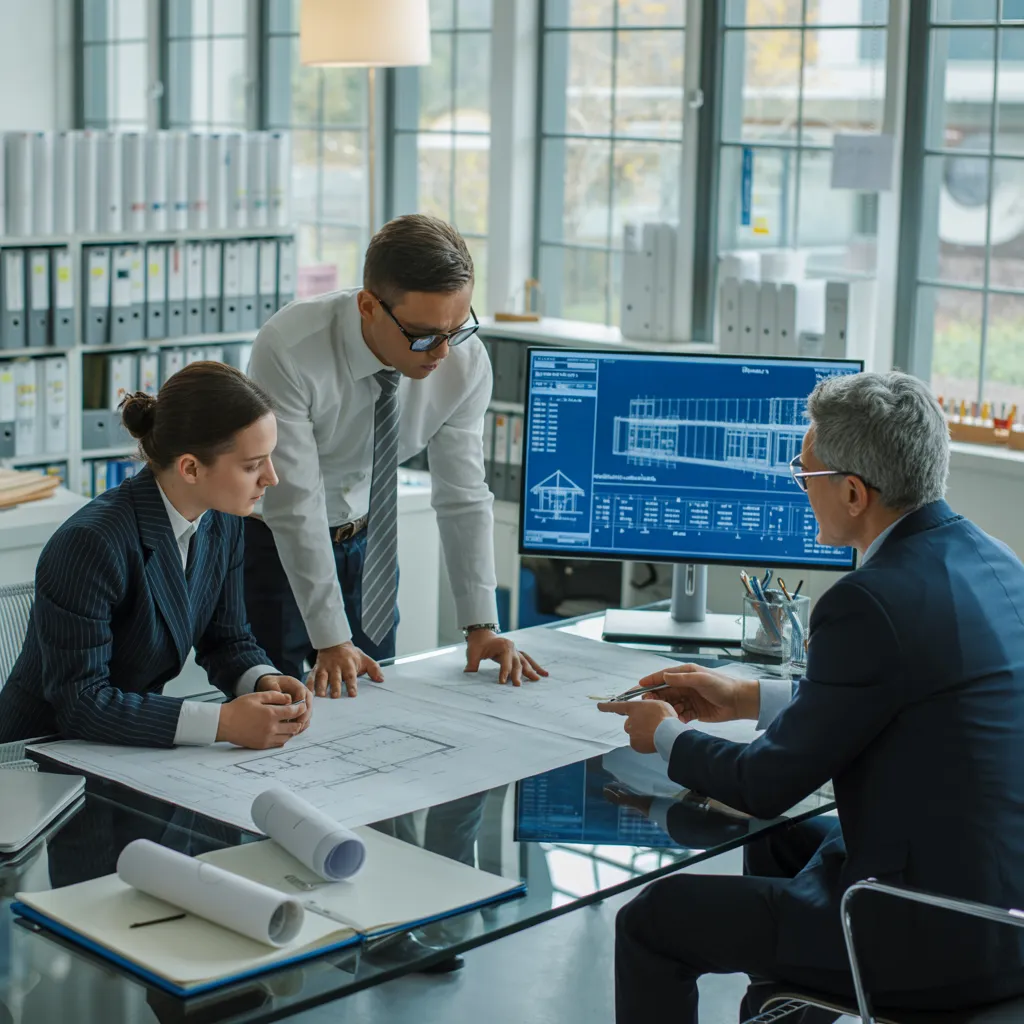
Unlocking the Value of Professional Architectural Design
Uncovering the benefits of professional architectural design is essential for maximizing both aesthetic appeal and functionality in any project. Professional architectural design transcends simple visual appeal; it incorporates the principles of environmental sustainability, structural integrity, and space planning. By employing advanced techniques and a thorough understanding of materials, architects design spaces that are not only visually striking but also efficient and practical.
Moreover, skilled architects account for the specific circumstances of each undertaking, including community needs, climate, and local regulations. This holistic approach confirms that the architectural design is not only cutting-edge but also harmonious with its surroundings. They make use of state-of-the-art technology, such as 3D modeling, to offer clients a precise vision of the finished structure. Ultimately, investing in professional architectural design contributes to long-term benefits, improving both the occupants' experience and the property's overall value.
Primary Reasons to Hire an Architect for Your Design Project
Engaging an architect for a construction project offers many benefits that improve both the process and the final outcome. Architects bring a broad range of skills, making certain that projects comply with local regulations and building codes, which can eliminate costly complications down the line. Their ability to develop detailed plans and specifications helps streamline the construction process, reducing setbacks and miscommunication among contractors.
Furthermore, architects are proficient in coordinating projects, managing multiple elements of all design and construction stages. This oversight guarantees that time frames and budgets are respected, giving clients reassurance. Moreover, architects are able to detect potential issues during the early stages of design, permitting proactive resolution of issues. Their familiarity with various materials and construction approaches may result in creative solutions that improve overall efficiency and sustainable practices. At the end of the day, consulting an architect not only enhances the design undertaking but also elevates the overall journey for clients.
Advancing Aesthetics and Functionality Through Architectural Mastery
Architectural expertise plays a fundamental role in enhancing both aesthetics and functionality in design projects. By utilizing cutting-edge design solutions, making the most of available space, and selecting sustainable materials, architectural professionals can craft environments that are visually appealing and practical. This methodology not only fulfills client requirements but also promotes environmental responsibility.
Creative Design Approaches
Innovative design strategies redefine spaces by harmoniously combining beauty with purpose. Design experts harness imaginative approaches to meet diverse client needs while boosting visual impact. By employing elements, tones, and shapes that align with the natural context, experts develop unified settings that reflect individual identities. Advanced technology, including three-dimensional modeling and immersive simulation, facilitates detailed visualizations, helping clients envision spaces ahead of realization. Moreover, adopting green design principles confirms that aesthetics and sustainability go hand in hand. Through deliberate assessment of light, space, and flow, these solutions maximize user experience and promote well-being. Ultimately, creative design cultivates a unique synergy between function and artistry, improving the character of everyday living and working areas.
Space Management Approaches
Optimizing space requires strategic planning and design techniques that improve both visual appeal and practicality. Professional architectural design services employ techniques including open floor plans, that do away with superfluous walls and cultivate an airy atmosphere. Multi-purpose furnishings can be introduced to meet diverse needs, guaranteeing that every square foot is put to good use. Moreover, strategic arrangement of windows and mirrors can produce the effect of more expansive areas, attracting natural light and amplifying visual dimension. Architects further evaluate circulation patterns, ensuring that movement through a space is both intuitive and efficient. By emphasizing these space-maximizing approaches, architects reshape environments into cohesive spaces that not only seem inviting but also serve the everyday needs of those who use them.
Green Material Options
As sustainability becomes a priority, architects are increasingly drawn to sustainable materials that improve both visual appeal and performance. Incorporating materials like bamboo, reclaimed wood, and recycled metal not only reduces environmental impact but also adds unique character to spaces. Such selections foster a cohesive design aesthetic, merging effortlessly with organic landscapes. Furthermore, integrating options such as low-VOC paints and energy-efficient glass boosts air quality indoors and strengthens thermal efficiency, providing meaningful benefits to the health and comfort of those inside. Through the thoughtful choice of sustainable materials, architects create visually appealing environments that resonate with eco-conscious clients. This approach fosters a more responsible architectural practice, showing that elegance and eco-consciousness can thrive together, while responding to the urgent call for green innovations in modern architecture.
The Way Technology Influences Contemporary Architectural Designs
Today, numerous technological advancements profoundly shapes architectural design, transforming how structures are conceived and constructed. Building Information Modeling enables architects to generate precise three-dimensional designs, encouraging better collaboration among stakeholders and maintaining consistency throughout the planning phase. Moreover, virtual reality (VR) and augmented reality (AR) enable clients to interact with spaces before construction begins, making design decisions more informed and intuitive.
Technology has also contributed to improved sustainability, with energy modeling software helping architects optimize building performance by simulating energy consumption and environmental impact. Additionally, innovative materials and building methods, such as 3D printing and prefabrication, optimize the construction workflow, minimizing expenses and timelines. Robotics and drones are being more widely adopted for site surveys and assessments, supplying up-to-date information that boosts accuracy and on-site safety. In summary, technology both fuels creative innovation and ensures architectural designs satisfy contemporary requirements for efficiency and sustainability.
Popular Misconceptions Regarding Architectural Services
Numerous people harbor false beliefs about architectural services, believing that they are excessively costly and that architects exclusively deal with building design. This limited perspective disregards the wide variety of services architects offer, including planning and consultation. Understanding these misconceptions is essential for understanding the genuine importance of architectural expertise.
Architectural Services Can Be Costly
The notion that architectural services are excessively costly often arises from false assumptions about their worth and range. Numerous people link substantial fees to a lack of affordability, failing to recognize the long-term benefits that professional design can provide. Architectural services include more than just drafting plans; they incorporate extensive planning, regulatory compliance, and innovative problem-solving. By committing to these services, clients often reduce expenses in the long run through efficient resource use, reduced construction errors, and increased property value. In addition, the complexity of a project can greatly affect costs, making it important to understand that a well-planned design can lead to substantial financial savings. Ultimately, treating architectural services as an investment rather than an expense can shift viewpoints and deepen understanding of their importance.
Architects Exclusively Design Buildings
A common misconception is that architects solely focus on designing buildings. The fact is, their professional capabilities go much further than basic building design. Architects participate in urban planning, landscape architecture, and interior environments, maintaining balance among diverse components. They work closely with clients to develop practical spaces that improve everyday living. Additionally, architects engage in sustainability efforts, integrating eco-friendly practices into their designs. They regularly take on public spaces, recreational areas, and community developments, responding to social demands and strengthening urban frameworks. Beyond that, architects contribute critical expertise to renovation and restoration efforts, honoring historical value while accommodating present-day demands. This diverse role demonstrates their vital impact in molding not merely buildings, but complete communities and landscapes.
Selecting the Best Architect for Your Design Requirements
How can someone ensure that the chosen architect suits their particular design goals? Selecting the right architect requires careful consideration of a number of key elements. To begin, reviewing an architect's portfolio can provide insight into their design style and expertise. This process allows prospective clients evaluate whether the architect's past projects resonates with their personal design tastes.
In addition, clear communication is essential. Engaging in initial consultations allows clients to express their ideas and expectations clearly. An architect's ability to listen and respond thoughtfully demonstrates their devotion to comprehending the client's expectations.
Moreover, reviewing references and client feedback can demonstrate the architect's professionalism and dependability. It is essential to confirm that the architect has background suited to the project's specific requirements, whether residential or commercial. Conclusively, a carefully selected architect can transform a vision into reality, making the choice of architect essential for ensuring successful architectural achievements.
Triumphs in Architectural Design
Turning concepts into tangible outcomes, compelling architectural case studies highlight the significant impact of careful planning and innovative execution. A prime illustration is the revitalization of a century-old warehouse into a vibrant community center. Architects meticulously preserved original features while blending in modern conveniences, producing a venue that promotes teamwork and meaningful connection.
An additional noteworthy case featured a sustainable residential project that utilized sustainable materials and cutting-edge design methods. This practice not only additional article lowered emissions but also fostered a harmonious living environment, creating a reference point for future residential developments.
In urban landscapes, the conversion of underutilized spaces into lush recreational areas showcases how thoughtful planning can enhance community well-being. Each story reflects a commitment to elevating visual appeal and usability, revealing how professional architectural services can transform environments and enrich daily living. These successes serve as a demonstration of the extraordinary capacity of architecture in shaping environments for future generations.
Frequently Asked Questions
What Qualifications Should I Look for in an Architect?
When looking for an architect, individuals should consider qualifications such as a related academic degree, professional licensure, a diverse portfolio, effective communication capabilities, and familiarity with the intended project type to ensure productive collaboration and favorable results.
What Is the Average Timeframe for the Architectural Design Process?
The process of architectural design generally requires anywhere from three to six months, based on project complexity, client requirements, and regulatory approvals. Effective communication and collaboration may shorten this timeframe, making certain the completed design is provided promptly.
What Costs Can You Expect When Hiring an Architect?
The costs associated with hiring an architect generally fall between 5% and 15% of the overall project cost, depending on complexity and scope. Further costs may emerge for meetings, revisions, and specialized offerings across the design process.
Are Architects Able to Assist With Permits and Zoning Regulations?
Yes, architects are able to help with zoning laws and permit requirements. Their specialized knowledge secures alignment with local legal requirements, simplifying the permit application process and minimizing possible setbacks, consequently supporting the successful delivery of a project.
What Is the Best Way to Communicate My Vision to an Architect?
To communicate effectively with an architect, one must gather visual references, articulate specific needs, talk through design preferences, and remain open to suggestions. Transparency and cooperation promote a constructive exchange, ensuring the vision aligns with architectural expertise.
Enhance